Poverty Alleviation Efforts in Madagascar: Programs and Effectiveness
Introduction
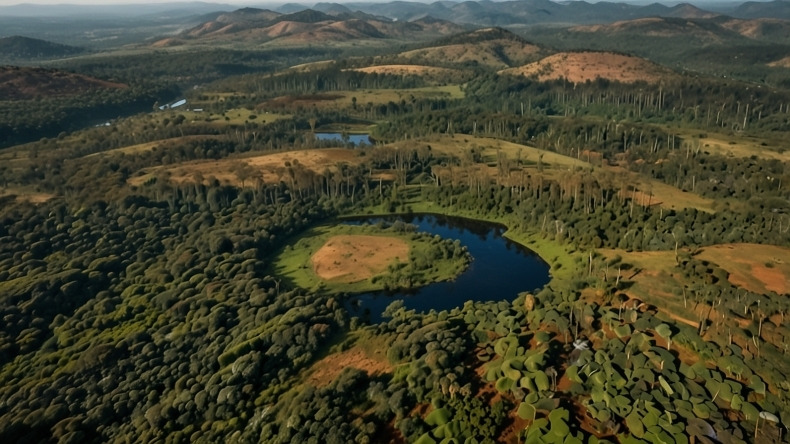
Madagascar, the world's fourth-largest island, located off the southeastern coast of Africa, is home to some of the most unique biodiversity and ecological treasures on the planet. Despite its natural wealth, Madagascar is one of the poorest countries in the world, where over 70% of its population lives below the international poverty line of $1.90 per day, according to the World Bank. Persistent poverty in Madagascar is the result of various factors, including political instability, economic fragility, inadequate infrastructure, low access to education, healthcare challenges, and environmental degradation.
Poverty alleviation efforts in Madagascar have taken multiple forms, ranging from domestic government programs to international initiatives led by multilateral agencies and non-governmental organizations (NGOs). The effectiveness of these programs has been varied, with some making meaningful strides in improving living standards, while others face significant challenges due to political instability and insufficient resources. This article explores the poverty situation in Madagascar, examines the programs that have been implemented to address it, and evaluates their overall effectiveness.
Poverty in Madagascar: A Deep-Rooted Challenge
Madagascar's poverty is deeply entrenched and multifaceted. Factors that contribute to its high poverty rate include:
- Political Instability : Madagascar has been plagued by repeated political crises, most notably the 2009 coup d'état, which led to sanctions from international donors and damaged the economy. Political instability has hindered sustained economic growth and effective governance.
- Geographic Isolation : Madagascar's geographic isolation poses significant logistical and infrastructural challenges, limiting access to global markets, increasing the cost of imports and exports, and stifling economic development in rural areas.
- Environmental Degradation : Madagascar's rich biodiversity is under threat due to deforestation, soil erosion, and climate change. Agriculture, which employs a majority of the population, has been negatively impacted by these environmental challenges, further exacerbating poverty.
- Inadequate Infrastructure : Madagascar suffers from poor transportation infrastructure, unreliable electricity, and limited access to clean water and sanitation. This hampers economic productivity and the ability to deliver services to rural populations.
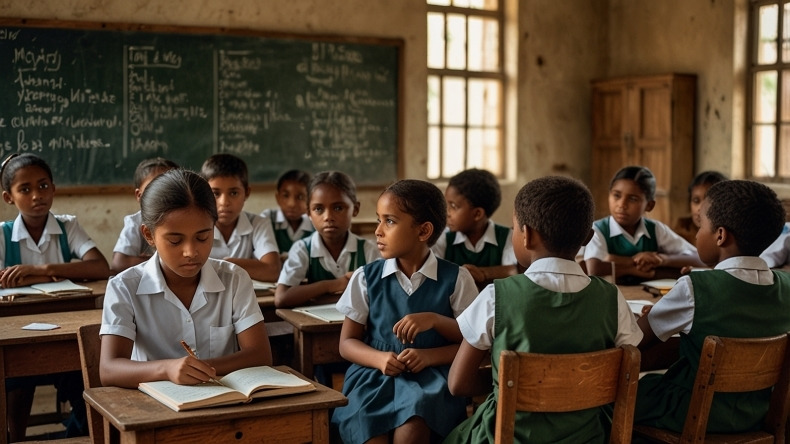
- Low Educational Attainment : Education is one of the cornerstones of poverty reduction, but Madagascar's education system is underfunded and understaffed. Many children, especially in rural areas, lack access to quality education, leading to high dropout rates and low literacy levels.
- Health Crises : Madagascar also faces significant health challenges, including frequent outbreaks of preventable diseases such as malaria and plague. The country's health infrastructure is underdeveloped, and access to healthcare is limited, particularly in rural areas.
Given these challenges, the efforts to reduce poverty in Madagascar require a multifaceted approach. Over the years, various national and international actors have developed programs aimed at addressing the root causes of poverty and improving the well-being of Madagascar's population.
Key Poverty Alleviation Programs in Madagascar
1. Government Initiatives
The government of Madagascar has implemented a range of programs aimed at reducing poverty and improving economic opportunities for its population. These include initiatives in education, health, infrastructure development, and social safety nets.
The Madagascar National Development Plan (PND) The PND is Madagascar's overarching development strategy, designed to promote inclusive and sustainable growth. The plan focuses on improving infrastructure, governance, and human capital. One of the key goals is to reduce the poverty rate by increasing access to basic services such as education and healthcare, while also fostering economic diversification.
Social Protection Programs The Malagasy government has also implemented social protection programs aimed at providing safety nets for the most vulnerable. The country's "Productive Safety Net Program" (PSNP) is designed to provide cash transfers to poor households in exchange for participation in community development projects , such as building infrastructure or environmental conservation initiatives. These cash transfers are intended to help households invest in productive assets, improve their food security, and escape the cycle of poverty.
However, the effectiveness of government programs has often been hampered by limited financial resources, corruption, and political instability. While the PND provides a roadmap for poverty alleviation, actual implementation has faced significant hurdles, particularly in reaching the most remote and marginalized communities.
2. International Programs
Several international organizations, including the World Bank, International Monetary Fund (IMF), and various NGOs, have been deeply involved in poverty alleviation efforts in Madagascar. These initiatives target different aspects of poverty, including infrastructure development, health, education, and agriculture.
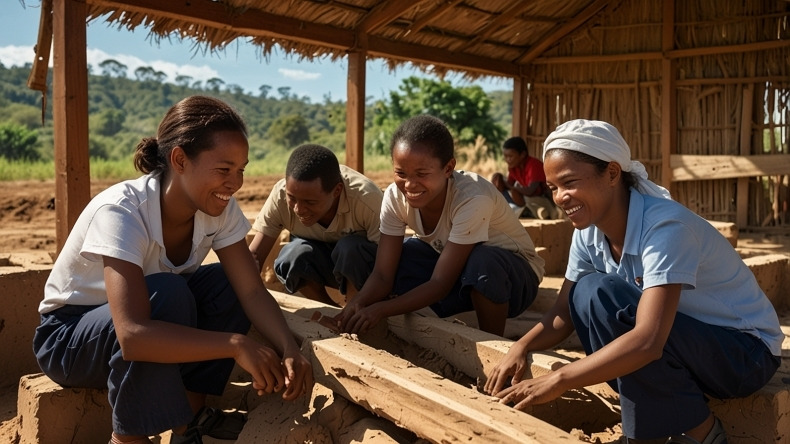
World Bank Programs The World Bank has played a key role in financing projects aimed at reducing poverty in Madagascar. The bank's support has been focused on improving education, healthcare, and infrastructure, while also promoting economic growth and reducing vulnerability to environmental shocks.
- The Emergency Support to Critical Education, Health and Nutrition Services Project has focused on improving access to essential services for vulnerable populations, particularly in rural areas.
- The Agriculture Growth and Land Management Project is another World Bank initiative aimed at boosting agricultural productivity by improving land management practices and enhancing access to markets for smallholder farmers.
These programs are designed to address the root of causes poverty by improving the productivity of the agricultural sector, which employs the majority of the population, and by enhancing human capital through better education and healthcare.
United Nations Development Program (UNDP) The UNDP has been working in Madagascar for decades, focusing on poverty reduction, governance, and environmental protection. One of the key areas of UNDP's work is in improving the resilience of rural communities to climate change, which is essential for reducing poverty in an economy that is highly dependent on agriculture. The UNDP has also worked to strengthen the capacity of local governments to deliver basic services, such as water and sanitation, to their communities.
International NGOs International NGOs, such as CARE, Oxfam, and Action Against Hunger, are also deeply involved in poverty alleviation efforts in Madagascar. These organizations provide a range of services, including food security programs, health services, and education initiatives. For example, CARE's programs in Madagascar have focused on improving food security through sustainable agricultural practices and providing access to clean water and sanitation.
Evaluating the Effectiveness of Poverty Alleviation Programs
While there are numerous programs in place aimed at reducing poverty in Madagascar, their overall effectiveness has been mixed. Several factors influence the success of these programs, including the political and economic environment, the capacity of implementing agencies, and the level of community engagement.
1. Challenges in Implementation
One of the main challenges in implementing poverty alleviation programs in Madagascar is the country's ongoing political instability. Frequent changes in government, corruption, and weak institutions have hindered the effective delivery of services and the implementation of long-term development strategies. For example, the PND has faced significant challenges in achieving its targets due to political crises that have disrupted governance and diverted resources away from development efforts.
Another challenge is the limited reach of these programs in rural areas, where the majority of Madagascar's poor live. Poor infrastructure, geographic isolation, and lack of local capacity have made it difficult to deliver services and implement development projects in remote regions. While international organizations and NGOs have made efforts to target rural areas, many programs still struggle to reach the most marginalized populations.
2. Success Stories
Despite these challenges, there have been some notable successes in poverty alleviation efforts in Madagascar. For example, the World Bank's cash transfer program has been effective in providing a safety net for vulnerable households, helping them to invest in productive assets and improve their food security A study conducted by the World Bank found that households participating in the program were more likely to invest in agriculture and other income-generating activities, leading to improved livelihoods.
In the health sector, efforts to reduce child mortality and improve maternal health have shown positive results. Programs aimed at improving access to healthcare in rural areas have helped to reduce the incidence of preventable diseases and improve the overall health of Madagascar's population. For example, the country has made significant progress in reducing malaria transmission through the distribution of insecticide-treated mosquito nets and the provision of antimalarial treatment.
Similarly, education programs have also made strides in improving literacy rates and school enrollment, although challenges remain in terms of quality and access, especially in rural areas. The World Bank's education support programs have helped to increase school enrollment and improve the quality of education in some regions, particularly through teacher training and the provision of school materials.
3. Environmental and Agricultural Development
Environmental degradation is a significant contributor to poverty in Madagascar, particularly as it affects the agricultural sector, which is the backbone of the economy. Programs aimed at improving agricultural productivity and promoting sustainable land management have had some success in boosting the incomes of smallholder farmers. The World Bank's Agriculture Growth and Land Management Project, for instance, has helped farmers adopt better land management practices, which has led to increased yields and improved food security.
In addition, efforts by organizations like the UNDP to improve the resilience of rural communities to climate change have helped to protect livelihoods and reduce vulnerability to environmental shocks. These programs are essential for ensuring that progress in poverty alleviation is sustainable in the face of climate change and environmental challenges.
Conclusion
Poverty alleviation in Madagascar is a complex and ongoing challenge that requires sustained efforts from both the government and the international community. While there have been some successes, particularly in areas such as health, education, and agricultural development, the overall effectiveness of poverty reduction programs has been hampered by political instability, limited resources, and challenges in reaching the most vulnerable populations.
Going forward, there is a need for greater investment in infrastructure, education, and healthcare, as well as efforts to strengthen governance and reduce corruption. In addition, environmental sustainability must be a central component of poverty reduction efforts, given the critical role that agriculture plays in the livelihoods of Madagascar's population. With sustained and coordinated efforts, it is possible to make meaningful progress in reducing poverty and improving the well-being of Madagascar's people.