Madagascar's Tourism Industry Post-Pandemic: Recovery and Growth Prospects
Madagascar, often referred to as the "Eighth Continent," is renowned for its unique biodiversity, rich cultural heritage, and stunning landscapes. However, like many countries heavily reliant on tourism, Madagascar faced unprecedented challenges due to the COVID-19 pandemic. The global lockdowns, travel restrictions, and health concerns led to a steep decline in international tourist arrivals, disrupting a sector that significantly contributes to the country's economy. As the world begins to recover from the pandemic, Madagascar is cautiously rebuilding its tourism industry with an eye toward sustainable growth.
This article explores the state of Madagascar's tourism industry post-pandemic, analyzing the impacts of COVID-19, the challenges faced during recovery, and the future prospects for growth in this vital sector.
The Pre-Pandemic Tourism Landscape in Madagascar
Before delving into the pandemic's effects, it's essential to understand the pre-pandemic state of Madagascar's tourism industry. Tourism had been one of Madagascar's fastest-growing sectors. The island attracted nature enthusiasts, researchers, eco-tourists, and adventure travelers, largely due to its extraordinary flora and fauna, over 80% of which is endemic.
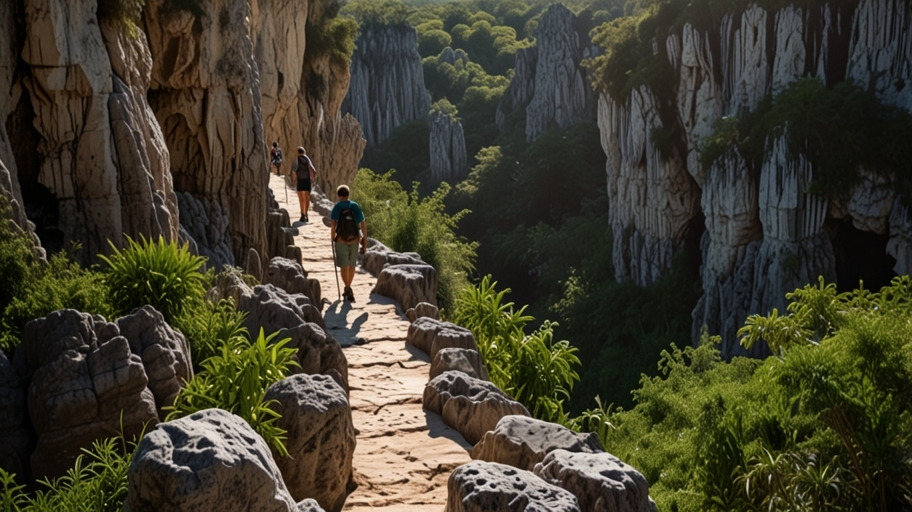
In 2019, Madagascar welcomed nearly 400,000 international visitors, with tourism contributing to approximately 6.8% of the national GDP. Key attractions included the island's diverse national parks, including the UNESCO World Heritage site Tsingy de Bemaraha, home to unique limestone formations, and Andasibe- Mantadia National Park, where visitors could witness the iconic Indri lemur in its natural habitat. Beach destinations like Nosy Be also attracted tourists seeking sun and sea, while local crafts, cuisine, and cultural heritage offered additional draws.
Despite its potential, Madagascar's tourism industry had been hampered by infrastructural challenges, including poor road conditions, limited flight connections, and insufficient tourism services in some regions. The pandemic only exacerbated these issues, pushing the sector into an unprecedented crisis.
The Impact of COVID-19 on Madagascar's Tourism Industry
The COVID-19 pandemic dealt a severe blow to Madagascar's tourism sector, halting nearly all travel to the island nation. Like many countries around the world, Madagascar imposed strict lockdown measures, shutting its borders in March 2020. International travel ground to a halt, with airports closed and flights canceled, leading to a sharp drop in tourist arrivals. According to the Ministry of Tourism, Madagascar saw a 98% decrease in international visitors in 2020 compared to the previous year.
This sudden loss of tourism revenue devastated the local economy, particularly for those communities dependent on tourism. Hotels, tour operators, and transportation services faced closures, and thousands of workers were left unemployed or forced to take substantial pay cuts. Many smaller, community- based tourism initiatives that had been growing in popularity were particularly vulnerable, as they lacked the financial reserves to weather the crisis.
Conservation were also affected, as tourism efforts revenue often supports the maintenance of national parks and biodiversity conservation projects. The pandemic's economic strain placed additional pressure on Madagascar's unique ecosystems, with some communities reports suggesting an increase in illegal logging and poaching as turned to other means of survival.
Government to support the industry during this time were limited by a lack of resources. While other countries could provide significant economic relief packages to their tourism industries, Madagascar, already one of the poorest countries in the world, struggled to offer meaningful financial assistance to businesses and workers in the sector.
Tourism Recovery Initiatives Post-Pandemic
As global travel slowly began to resume in 2021 and 2022, Madagascar started taking steps to rebuild its tourism industry. The government, in collaboration with international organizations and local stakeholders, developed recovery strategies aimed at reviving the sector while promoting sustainable practices.
1. Gradual Reopening and Health Protocols
Madagascar gradually reopened its borders to international tourists in late 2021, with strict health and safety protocols in place. These measures included PCR testing requirements, quarantine measures for incoming travelers, and enhanced hygiene practices at hotels, airports, and tourist sites. While these steps were necessary to prevent the spread of COVID-19, they also posed challenges for the tourism sector by adding layers of complexity to travel logistics, potentially deterring some tourists.
The global rollout of vaccines also played a significant role in the recovery process. Madagascar's vaccination campaign gained momentum, though the country faced challenges in accessing vaccines and distributing them efficiently, particularly in remote areas. By 2023, with more widespread vaccination efforts and improved health infrastructure, the country began to welcome tourists back with greater confidence.
2. Focus on Domestic Tourism
During the pandemic, Madagascar, like many other countries, shifted its focus to domestic tourism as a means of keeping the industry afloat. Domestic travelers, though fewer in number compared to international tourists, helped provide some level of demand for tourism services, particularly in popular areas like Antananarivo, the capital, and Nosy Be.
While domestic tourism alone could not compensate for the loss of international visitors, it highlighted the potential for growth in this segment. Madagascar's middle class, though small, represents a growing market for domestic tourism, and the pandemic has encouraged greater exploration of the country's own attractions. Moving forward, strengthening domestic tourism could provide a buffer against future external shocks and help diversify the country's tourism base.
3. Marketing and Digital Transformation
Madagascar's tourism authorities have been working to reposition the country as a safe and attractive destination for post-pandemic travel. Digital marketing campaigns have been a key tool in this effort, with the Ministry of Tourism partnering with international organizations like the World Bank and the UN World Tourism Organization (UNWTO) to promote Madagascar's unique offerings.
Virtual experiences, online travel forums, and social media campaigns have helped maintain Madagascar's visibility on the global tourism map. The country's marketing efforts have emphasized its status as a relatively untouched, remote destination, appealing to post-pandemic travelers seeking safe, outdoor, and nature-based experiences.
The digital transformation of Madagascar's tourism industry also extends to the operations of hotels, tour operators, and other service providers. Many businesses have embraced online booking platforms, contactless payment systems, and other digital tools to improve customer experience and adapt to changing consumer expectations.

4. Sustainable and Eco-Tourism Initiatives
Sustainability has become a key focus of Madagascar's post-pandemic tourism recovery strategy. The island's extraordinary biodiversity and ecosystems are central to its tourism appeal, but they are also vulnerable to over-tourism and environmental degradation. The pandemic has provided an opportunity for the industry to rethink its growth model and prioritize sustainability.
In collaboration with international conservation organizations, the Malagasy government has been promoting eco-tourism initiatives that emphasize responsible travel, community involvement, and conservation. Projects that involve local communities in tourism activities, such as community-managed nature reserves and cultural tours, are being encouraged to ensure that tourism benefits are shared equitably and contribute to the protection of the environment.
The establishment of more eco-lodges and environmentally friendly tourism services is also a growing trend. Many travelers, especially in the wake of the pandemic, are seeking eco-conscious travel experiences, and Madagascar's unique biodiversity makes it well-positioned to cater to this demand.
Challenges to Recovery
While the signs of recovery in Madagascar's tourism sector are encouraging, several challenges remain.
1.Infrastructural Limitations
Madagascar's infrastructural weaknesses, which were a barrier to tourism growth even before the pandemic, remains a significant challenge. Poor road conditions, limited air connectivity, and inadequate tourism facilities in certain regions make travel difficult and expensive, deterring potential visitors. The government has recognized the need to improve infrastructure, but progress has been slow, largely due to limited financial resources and logistical difficulties.
Efforts to upgrade airports, improve roads, and enhance public services in key tourism areas are essential for the industry's long-term growth. Public-private partnerships and foreign investment could play a crucial role in addressing these infrastructural gaps, but attracting such investment in a The post-pandemic economic climate may prove challenging.
2. Environmental and Conservation Concerns
While tourism can provide much-needed revenue for conservation efforts, it also poses a threat to the very ecosystems that draw visitors to Madagascar. Unregulated tourism development, over-tourism in popular areas, and illegal activities like logging and poaching remain pressing concerns. country's biodiversity is fragile, and balancing tourism growth with environmental protection is critical to ensuring the sustainability of the industry.
The challenge moving forward will be to develop tourism in a way that minimizes its environmental footprint while maximizing its positive impact on local communities and conservation efforts. Strengthening regulations on tourism activities, promoting eco-certification programs, and involving local communities in decision-making processes will be key components of this strategy.
3. Health and Safety Perceptions
Despite progress in managing the COVID-19 pandemic, health and safety concerns remain a factor in travel decisions. Madagascar, like many developing countries, has faced challenges in controlling the spread of the virus and in ensuring access to healthcare in remote areas. The country's relatively low vaccination rates compared to global averages may deter some potential visitors, particularly those from countries where vaccine uptake is high.
Building trust among travelers will require continued efforts to improve health infrastructure, ensure safe and hygienic travel conditions, and communicate these improvements effectively to the global tourism market.
Growth Prospects for Madagascar's Tourism Industry
Looking to the future, Madagascar's tourism industry has the potential to not only recover from the pandemic but to grow in a way that is more sustainable, inclusive, and resilient.
1. Leveraging Unique Natural and Cultural Assets
Madagascar's unparalleled biodiversity and cultural heritage remains its strongest assets in attracting tourists. The country's reputation as a destination for eco-tourism and nature-based experiences positions it well to capitalize on post-pandemic trends in travel, where many tourists are seeking outdoor, less -crowded destinations.
Expanding tourism beyond the traditional hotspots and promoting lesser-known regions of the country can help distribute the benefits of tourism more evenly and reduce pressure on popular sites. Developing niche tourism segments, such as birdwatching, scientific tourism, and adventure travel, could also attract specialized markets and diversify Madagascar's tourism offerings.
2. Partnerships and International Support
International cooperation will be critical to Madagascar's tourism recovery. The country has already received support from organizations like the UNWTO and the World Bank, and continued collaboration with these and other international partners will be essential for addressing the challenges of recovery.
Foreign investment, particularly in infrastructure and eco-tourism projects, will also play a key role in the industry's growth. The Malagasy government's efforts to improve the business environment, streamline regulations, and provide incentives for sustainable tourism development will be crucial in attracting such investment .
3. Adapting to Changing Consumer Preferences
The pandemic has shifted consumer preferences in the travel industry. More travelers are now prioritizing health, safety, and sustainability in their travel decisions, and Madagascar is well-positioned to meet these demands with its vast natural landscapes, low population density in tourist areas, and focus on eco-tourism.
By continuing to invest in sustainable tourism initiatives, improving health and safety protocols, and enhancing digital marketing efforts, Madagascar can position itself as a top destination for post-pandemic travelers seeking meaningful, responsible, and nature-based experiences.

Conclusion
Madagascar's tourism industry, like many others, was hit hard by the COVID-19 pandemic, but the country has shown resilience in the face of adversity. While significant challenges remain, including infrastructural limitations, environmental concerns, and health and safety perceptions, there are promising signs of recovery. With its unique natural and cultural assets, focus on sustainability, and growing domestic tourism market, Madagascar has the potential to not only rebuild its tourism sector but to transform it into a more resilient and sustainable industry that benefits both the economy and the environment.
The key to future growth lies in strategic investments, international cooperation, and a commitment to sustainable practices that preserve Madagascar's extraordinary biodiversity for generations to come.