The Role of Women in Madagascar's Political and Social Landscape
Introduction
Madagascar, the large island nation off the southeastern coast of Africa, is rich in culture, biodiversity, and history. However, its political and social landscapes have been shaped by influences various, including its colonial history, indigenous traditions, and modern socio-economic challenges. Among the many forces shaping Madagascar's development, the role of women has been both dynamic and complex. From pre-colonial times to the present day, women have played a crucial part in the island's political and social life, though their influence has often has been underrepresented and marginalized. This article explores the historical and contemporary role of women in Madagascar's political and social spheres, examining their contributions, struggles, and the ongoing fight for gender equality.
Historical Context: Pre-Colonial to Colonial Period
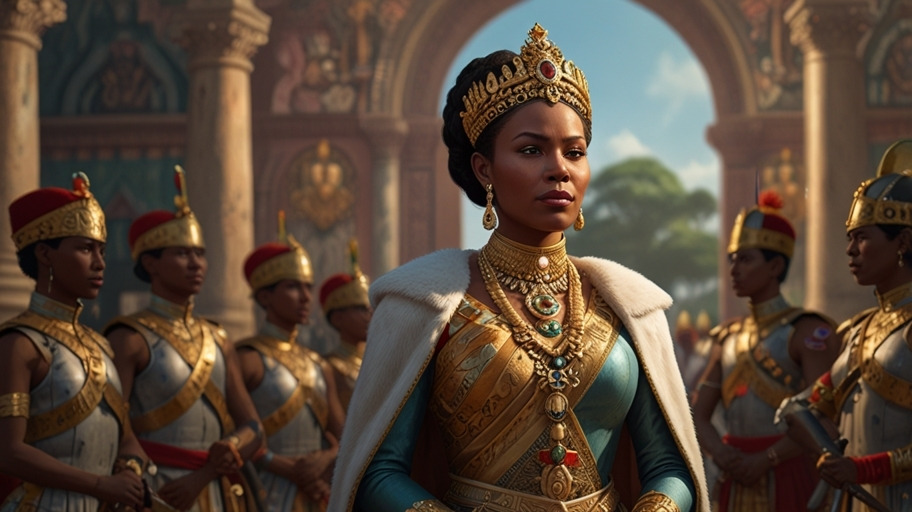
In pre-colonial Madagascar, women held various roles within their communities, often depending on ethnic group and social class. The Malagasy people, comprising a mix of African, Southeast Asian, and Arab ancestry, were organized into kingdoms, each with its own set of traditions regarding gender roles. Women in high-ranking families, particularly in the Merina kingdom, could exercise considerable influence. The Merina queens, such as Queen Ranavalona I and Queen Rasoherina in the 19th century, ruled the kingdom and wielded considerable political and military power. These queens maintained Madagascar's sovereignty, resisted European colonization, and managed internal affairs. Their reigns challenged the notion that political leadership was solely the domain of men.
However, even during these times, ordinary women's roles were largely circumscribed to domestic responsibilities. Gendered divisions of labor existed, with men typically engaging in trade, hunting, and war, while women tended to agriculture, household management, and child-rearing. Still , Malagasy women could acquire land, engage in trade, and, in some cases, accumulate wealth, particularly in matrilineal societies such as the Betsimisaraka, where inheritance passed through the maternal line.
The advent of European colonization in the late 19th century dramatically altered Madagascar's political and social landscape, particularly regarding gender roles. The French colonial administration introduced Western notions of gender hierarchy, which tended to marginalize women in public life and concentrate political and economic power in the hands of men. Traditional roles were disrupted, and women's political power was significantly diminished, especially as the French colonial authorities suppressed female leaders like Queen Ranavalona III, the last sovereign of Madagascar. Colonialism reinforced patriarchal structures, relegating women to subordinate positions in both the public and private spheres.
Post-Independence Era and Women's Political Participation
After gaining independence from France in 1960, Madagascar embarked on a journey of nation-building, but the legacies of colonialism persisted, particularly in the realm of gender relations. Women's political participation remained limited in the decades immediately following independence, as the country grappled with political instability, economic challenges, and cultural conservatism. Nevertheless, women continued to play vital roles in social movements, advocating for education, healthcare, and community development.
The feminist movement in Madagascar gained traction in the 1970s and 1980s, paralleling global feminist trends. Women began to demand more representation in politics and greater access to education and employment. However, these movements were often met with resistance due to deeply entrenched patriarchal attitudes. The Malagasy political system, like many others, was dominated by men, and women struggled to break through barriers to political participation.
It was not until the 1990s, amid a broader push for democratization, that Malagasy women began to achieve more significant gains in the political arena. The country's first female presidential candidate, Lalao Ravalomanana, emerged in 2013, marking a significant milestone for women in politics , though her campaign was ultimately unsuccessful. Despite this, the fact that a woman could run for the highest office in the land reflected the growing, yet slow, acceptance of women's political leadership.
In recent years, women's political participation has increased, with more women being elected to public office. The 2020 legislative elections, for instance, saw a record number of women elected to the National Assembly, although they still represented only a minority of the total members . Women have also held important ministerial positions, including in education, health, and social services. These positions are crucial for influencing policies that directly affect women and children, such as maternal healthcare, child welfare, and education.
However, significant challenges remain. Women's political participation is often hindered by socio-cultural norms that prioritize men as leaders. Political parties in Madagascar tend to nominate male candidates, and women who do run for office often face discrimination and harassment. based violence remains a significant issue, which can further deter women from seeking leadership roles.
Social Roles of Women in Madagascar
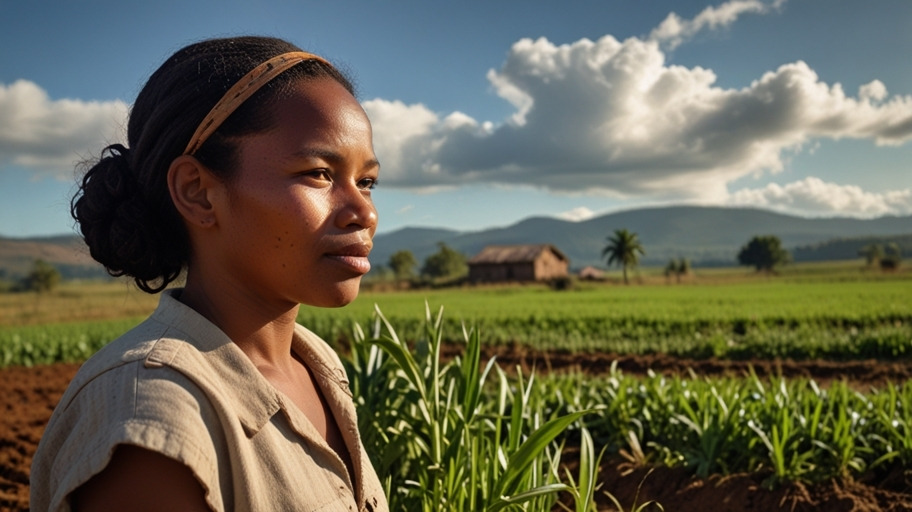
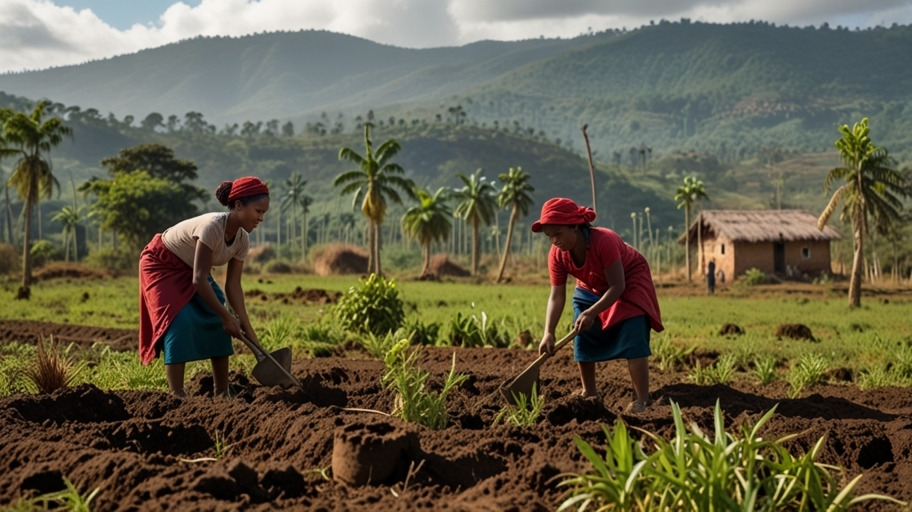
While the political landscape has slowly evolved, women's social roles in Madagascar have remained deeply rooted in traditional practices, although these too are subject to change. The majority of Madagascar's population lives in rural areas, where agriculture is the dominant economic activity. In these regions , women are often responsible for managing the household, raising children, and working in subsistence farming. Despite their critical role in agriculture, women's labor is often undervalued, and they have less access to land ownership, agricultural inputs, and credit compared to men. This marginal economicization is further exacerbated by limited access to education and healthcare, particularly in rural areas.
Nevertheless, women have been at the forefront of social and community development in Madagascar. They are often the primary caregivers in their families and communities, playing an essential role in ensuring the well-being of children and the elderly. Women's groups and associations, both formal and informal, have emerged across the country, working on issues such as maternal health, child nutrition, and education. These groups have become critical for advocating for women's rights and addressing the social challenges faced by women and children.
One key area where women have made significant contributions is in the fight against environmental degradation and climate change. Madagascar is one of the world's most biodiverse countries but is also one of the most vulnerable to environmental challenges, such as deforestation, soil erosion, and climate change. Women, particularly in rural areas, have been instrumental in leading conservation efforts and sustainable farming practices. Women's groups have been involved in reforestation projects, promoting agroforestry, and raising awareness about environmental conservation. Given their roles in agriculture and as primary caregivers, women are often acutely aware of the impacts of environmental degradation on food security and health, making them vital actors in environmental sustainability efforts.
Women and Education
Education has been a crucial battleground for improving the status of women in Madagascar. Historically, women had less access to formal education compared to men, particularly in rural areas where traditional gender roles were more rigidly enforced. However, efforts have been made to close the gender gap in education, with some success. Today, more girls are attending school than ever before, and literacy rates among women have improved significantly over the past few decades. The government, alongside various international organizations and NGOs, has launched initiatives aimed at increasing girls' enrollment in schools, particularly in rural areas where cultural and economic barriers to education are most pronounced.
Despite these improvements, significant challenges remain. Girls are more likely than boys to drop out of school, often due to early marriage, pregnancy, or the need to work to support their families. Early marriage is a significant issue in Madagascar, with one in two girls married before the age of 18, according to UNICEF. This not only limits girls' educational and economic opportunities but also exposes them to health risks, such as early pregnancy and complications during childbirth.
Moreover, while more girls are attending school, the quality of education remains a concern. Many schools in Madagascar, particularly in rural areas, lack basic infrastructure, qualified teachers, and learning materials. These challenges disproportionately affect girls, who are often the first to be pulled out of school when families face economic hardships.
Women's access to higher education and professional training also remains limited. While more women are entering universities and technical schools, they are often concentrated in traditionally "female" fields such as education, healthcare, and social work, with fewer women pursuing careers in science, technology, engineering, and mathematics (STEM). This gendered division of labor in education reflects broader societal norms about appropriate roles for women and men.
Gender-Based Violence and Women's Rights
One of the most pressing issues facing women in Madagascar is gender-based violence (GBV). Violence against women, including domestic violence, sexual assault, and trafficking, is widespread and often goes unreported due to stigma, fear of retribution, and lack of access to justice. According to a 2016 national survey, approximately one in three women in Madagascar has experienced physical or sexual violence in her lifetime. Women in rural areas, where traditional patriarchal values are often more deeply entrenched, are particularly vulnerable to violence .
Efforts to address gender-based violence have increased in recent years, with both the government and civil society organizations working to raise awareness and provide support services for survivors. Laws have been enacted to criminalize domestic violence and sexual assault, though enforcement remains weak. Cultural attitudes that condone violence against women, with combined inadequate legal and social support systems, continue to hinder progress in addressing GBV.
Women's rights organizations have been at the forefront of advocating for legal reforms and increased support for survivors of violence. These organizations provide vital services such as legal aid, counseling, and shelters for women escaping abusive situations. However, they often face resource constraints and limited government support, making it difficult to reach all those in need.
The Road Ahead: Challenges and Opportunities
Madagascar has made strides in improving the status of women in both the political and social spheres, but much work remains to be done. Gender inequality remains deeply entrenched, particularly in rural areas where traditional gender roles are most rigidly enforced. Women continue to face significant barriers to political participation, education, economic opportunity, and protection from violence.
Nevertheless, there are reasons for optimism. The increasing political participation of women, though still limited, represents a shift in societal attitudes toward gender and leadership. Women's growing involvement in community development, environmental conservation, and social activism demonstrate their resilience and capacity for leadership in critical areas affecting the nation.
The future of Madagascar's development will depend in large part on its ability to harness the potential of all its citizens, including women. Promoting gender equality in education, employment, and politics is not just a matter of justice—it is essential for the country's social and economic progress. As Madagascar continues to face significant challenges, from poverty to environmental degradation, women's voices and leadership will be crucial in shaping a more equitable and sustainable future for the island nation.
Conclusion
The role of women in Madagascar's political and social landscape is one of both progress and ongoing struggle. Women have been central to Madagascar's history, from the powerful queens of the Merina kingdom to today's activists fighting for gender equality and social justice. Despite significant challenges, including gender-based violence, limited political representation, and economic marginalization, Malagasy women continue to push for change. Their contributions are essential to the nation's development, and their empowerment is key to building a more just and prosperous Madagascar.